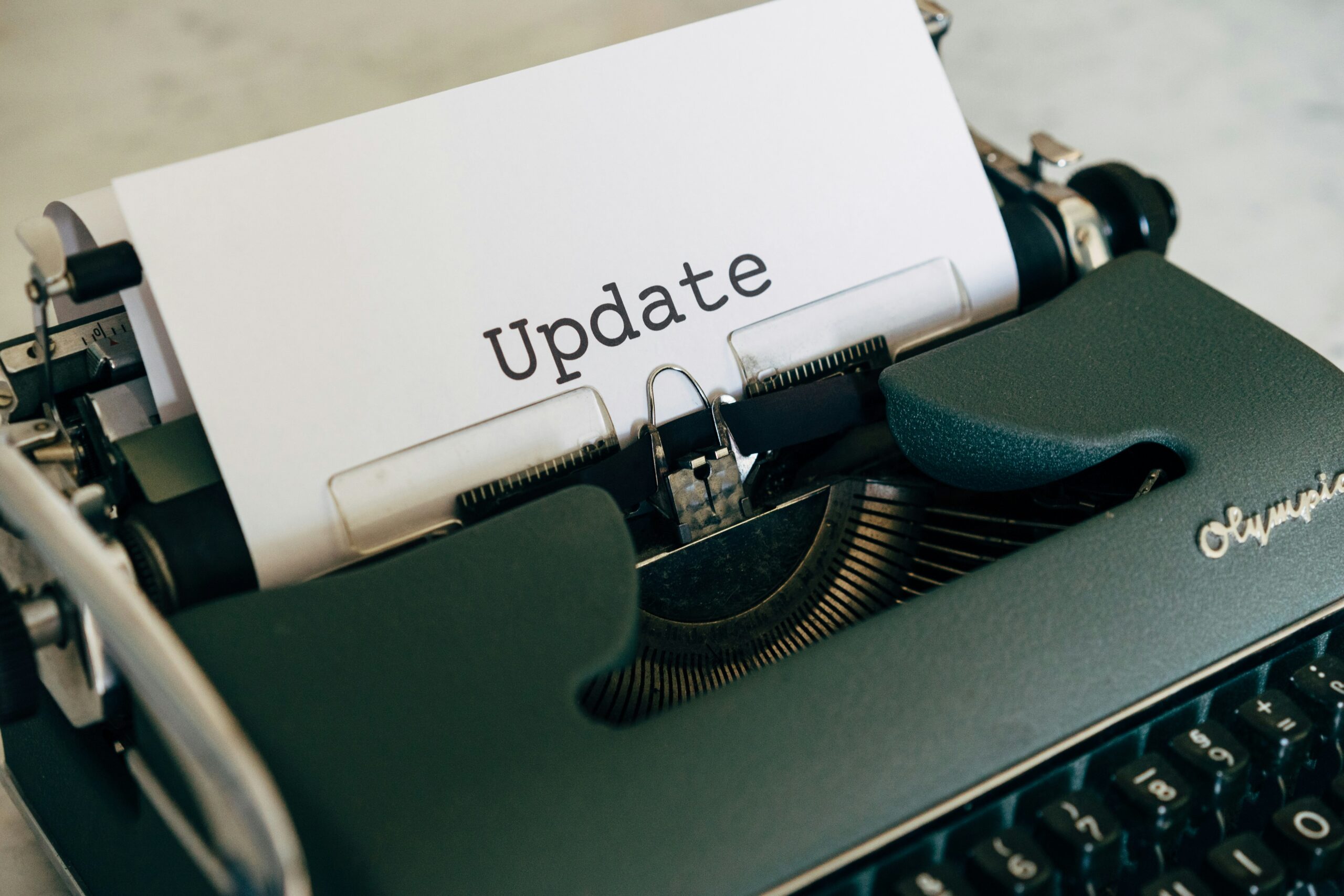
One of the most common questions we hear from small business owners in Columbus, OH is deceptively simple: "How often do I actually need to update my website?" If you've been wondering how often to update your small business website, the honest answer depends on your industry, your goals, and the type of content you're managing — but the consequences of ignoring this question are remarkably consistent. Outdated websites lose traffic, erode trust, and hand business to competitors who stay current. In this guide, we'll break down exactly what needs updating, how frequently, and why a consistent cadence matters more than most owners realize.
Related resource: If you found this helpful, see our guide on WordPress maintenance guide.
Why Website Freshness Is a Real SEO Signal
Google's crawlers do not treat all websites equally. A site that publishes new content consistently, refreshes stale pages, and maintains up-to-date technical health signals to search engines that it is an active, authoritative resource. A site that hasn't changed in 18 months sends the opposite signal — and your rankings reflect that over time.
According to HubSpot's 2023 State of Marketing report, companies that blog consistently generate 55% more website visitors than those that don't. Meanwhile, research from Search Engine Journal found that updating existing content — not just publishing new posts — can increase organic traffic by up to 106% on high-value pages. For a local business competing in Columbus or any mid-size metro market, freshness is not optional. Your competitors are publishing. If you're not, you're ceding ground.
Also read: Learn more about website management guide for additional strategies.
That said, "update everything constantly" is not useful advice. The goal is a structured cadence matched to each content type — not random activity that burns your time without a return.
How Often to Update Your Small Business Website: A Frequency Guide by Content Type
Not all website content ages at the same rate. A blog post about local SEO trends becomes outdated within months. A page describing your core plumbing services might stay accurate for years. Here's a practical framework broken down by content type:
| Content Type | Recommended Update Frequency | Why It Matters |
|---|---|---|
| Blog posts / articles | New post weekly or bi-weekly; refresh high-traffic posts every 6–12 months | Fresh content indexes faster; updated posts recapture lost rankings |
| Core service pages | Review quarterly; rewrite annually | Service offerings and proof points change — outdated pages mislead prospects |
| Homepage hero / messaging | Seasonal or campaign-driven (3–4× per year) | First impressions should reflect your current positioning and offers |
| Team / About pages | As-needed (new hires, departures, role changes) | Stale headshots and bios erode credibility with prospects doing due diligence |
| Testimonials / reviews | Add new ones quarterly; retire outdated ones annually | Recent social proof outperforms a 2019 quote every time |
| Contact info / hours | Immediately on any change | Wrong phone numbers and closed holiday hours directly cost you business |
| Plugins / themes / core (WordPress) | Weekly security patches; major updates monthly with testing | Outdated plugins are the #1 vector for WordPress site hacks |
The Real Cost of Letting Your Website Go Stale
Imagine a local HVAC company that built a beautiful website in 2021 and then left it untouched. By 2024, their "specials" page still advertises a promotion that ended two years ago, their blog hasn't published since March 2022, and their contact form uses a plugin with a known security vulnerability. From the outside, it looks like the business might have closed. Their Google rankings have quietly slipped from page one to page three. A competitor who started blogging monthly in 2022 now dominates the same keywords.
This isn't hypothetical — it's a pattern we see repeatedly with small businesses across every industry. The Baymard Institute found that 38% of visitors will stop engaging with a website if the content or layout is unattractive or outdated. Trust is not just about what you say — it's about whether your site signals that you are still actively in business and invested in your customer experience.
The specific costs of an outdated website include:
- Lost search rankings — Google's freshness signal penalizes dormant domains in competitive niches
- Higher bounce rates — Visitors leave when they find stale pricing, expired offers, or missing staff
- Security vulnerabilities — Unpatched CMS platforms become entry points for malware and data breaches
- Missed lead capture — Forms, CTAs, and landing pages that aren't A/B tested quietly bleed conversions
- Brand inconsistency — If your social media has evolved but your site hasn't, the disconnect confuses prospects
A Practical 12-Month Website Update Calendar
The most effective approach is a simple, repeatable calendar that ensures no critical content goes more than 90 days without a review. Here's a minimal-effort framework that works for a two-person business with no dedicated marketing staff:
- Weekly (15 minutes): Publish one blog post or update one existing post with fresh data or an expanded section. Tools like WebsiteLinter can flag pages with thin content or broken links before they hurt your rankings.
- Monthly (1 hour): Review your homepage hero, check all contact information, scan for broken links, and update any plugins or CMS themes.
- Quarterly (2–3 hours): Audit your top 5 service pages against current offerings, add new testimonials, review your analytics for traffic drops on key pages, and refresh any seasonal content.
- Semi-annually (half-day): Full content audit — compare every major page against your current messaging and remove outdated offers. Review site speed and Core Web Vitals scores.
- Annually (full day or agency engagement): Strategic redesign review. Is the overall structure still serving your business goals? Are new services properly represented? Is your conversion path still optimized?
This calendar is deliberately lightweight. The goal is consistency, not perfection. A business that does a 15-minute weekly blog update and a 1-hour monthly audit will consistently outperform a competitor who does nothing for six months and then tries to catch up with a frantic sprint.
How to Know When You're Falling Behind: Warning Signs to Watch
Even with the best intentions, it's easy to let updates slide during busy seasons. Here are the specific signals that tell you it's time to stop waiting and act:
- Your Google Analytics shows a consistent month-over-month traffic decline on your top 3 pages
- A prospect mentions your website feels "outdated" in a sales conversation
- Your blog's most recent post is more than 60 days old
- Your WordPress dashboard shows 5+ pending plugin updates
- You've launched a new service, rebranded, changed your pricing, or hired/lost key staff — but the site doesn't reflect it
- Your competitors' sites now include features yours lacks (chat widgets, review embeds, interactive tools)
- Your mobile PageSpeed Insights score has dropped below 60
If three or more of these apply to your site right now, a focused update sprint — or a conversation with a professional web team — is overdue.
Small Steps, Big Results: What Even One Hour a Month Can Do
A common objection we hear from small business owners: "I don't have time to maintain a website on top of everything else." That's fair — but the return on even modest, consistent effort is well-documented. Businesses that publish new blog content at least once a month see 4.5× more indexed pages than those that never blog, according to data from Demand Metric. More indexed pages means more entry points for search traffic, more keyword coverage, and more opportunities to attract prospects at different stages of their decision process.
You don't need a marketing department. You need a system. Whether that system is a 30-minute Friday morning blog review, a quarterly check-in with a web partner, or automated monitoring via a tool like WebsiteLinter that surfaces broken links and SEO issues before they compound — the consistency is what compounds over time, not the individual effort.
Ready to Build a Smarter Update Routine for Your Website?
At Lindsey Web Solutions, we work with small businesses across Columbus, OH and beyond to build websites that stay current, rank consistently, and convert visitors into customers. Whether you need a full content audit, ongoing monthly maintenance, or a blog strategy that drives real traffic — we're here to help.
Contact us today for a free website review. We'll show you exactly what needs updating, what's working, and what a sustainable update plan looks like for your specific business and budget.
Related Reading
Ready to take the next step? download our free website checklist with Lindsey Web Solutions, Columbus OH.